
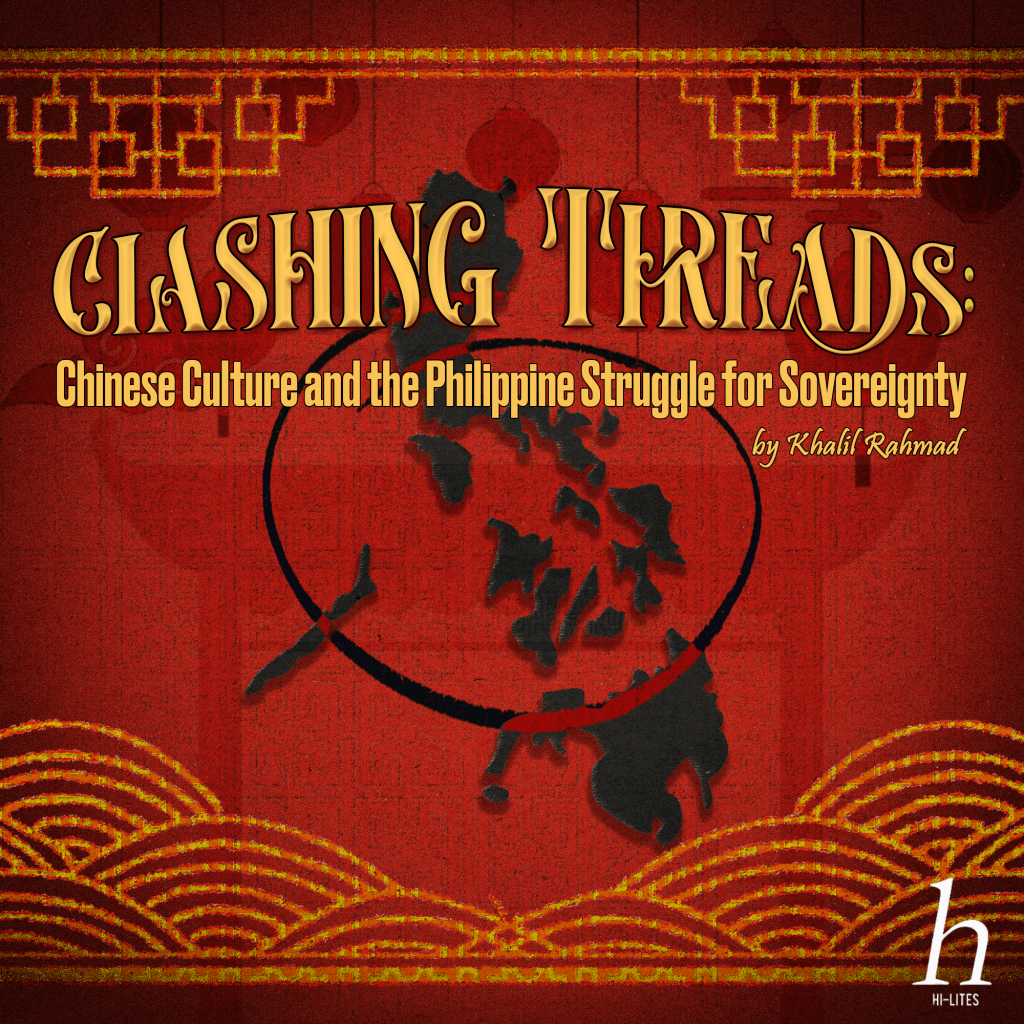
By Khalil Rahmad
The Philippines has a rich tapestry of history and culture, woven together by various influences throughout the centuries. One of the most significant threads in this tapestry is the Chinese culture, which has played a crucial role in shaping the social, economic, and cultural landscape of the Philippines.
Chinese merchants began trading with the Philippine archipelago as early as the 10th century. This trade introduced various goods, ideas, and cultural practices. Significant waves of Chinese migration occurred during the Spanish colonial period (1565-1898). Many Chinese immigrants settled in urban areas and contributed to the local economy as merchants and craftspeople. The intermingling of Chinese and Filipino cultures led to the integration of Chinese customs, language, and cuisine into Filipino society. For instance, the popularity of noodles, dumplings, and Chinese New Year celebrations reflects this cultural fusion.
On the other hand, Chinese Filipinos, known as Chinoys, have also significantly contributed to the Philippine economy, particularly through their dominance in various sectors such as retail, manufacturing, and finance. In the retail industry, Chinoys own a substantial number of department stores, grocery chains, and small businesses, contributing to the local employment and consumer choices with well-known brands. In manufacturing, they play a crucial role in textiles, electronics, and food processing, providing thousands of jobs and supporting local economies. Additionally, their involvement in finance through the establishment of numerous banks and financial institutions has helped create a robust financial landscape, facilitating economic growth and infrastructure development.
Beyond their economic impact, Chinoys enrich Filipino culture through their cuisine and community events, blending Chinese and Filipino traditions. Chinese festivals, such as Chinese New Year, have become part of the Filipino cultural calendar. Traditional practices, like the use of feng shui, have also influenced Filipino beliefs and lifestyles. The incorporation of Chinese terms into Filipino languages, especially in areas with significant Chinese communities, reflects the enduring impact of Chinese culture. One notable term is Siu Mai (燒賣), which refers to a type of traditional Chinese dumpling often served in steamer baskets and is widely enjoyed in Filipino cuisine, especially in dim sum and at restaurants.
However, this rich cultural tapestry coexists with complex geopolitical dynamics, particularly evident in the ongoing conflict over the West Philippine Sea (part of the South China Sea). This issue involves territorial disputes primarily between the Philippines and China and is crucial due to its rich natural resources and strategic shipping lanes.
China claims a vast majority of the South China Sea, marked by the Nine-Dash Line, which overlaps with the Philippines’ exclusive economic zone (EEZ) and has ultimately led to diplomatic tensions. In addition, the West Philippine Sea is believed to hold significant reserves of oil, natural gas, and fisheries, making the area economically vital for the Philippines. The dispute has intensified regional tensions, with the Philippines seeking support from allies like the United States while China continues its assertive actions in the region.
In 2016, the Permanent Court of Arbitration ruled in favor of the Philippines, invalidating China’s extensive claims. However, China has rejected the ruling, complicating diplomatic relations. The Philippines has then increased its military capabilities and conducted joint exercises with allies to assert its sovereignty over the disputed areas.
Yet, despite the ruling, China still bullies and continues to disrespect Filipinos over our claim to the West Philippine Sea.
The BRP Sierra Madre, a grounded Philippine Navy ship stationed on Second Thomas Shoal, serves as a symbol of Philippine sovereignty. Each resupply mission to this vessel has become a flashpoint for conflict, resulting in direct confrontations with Chinese naval forces, including the use of water cannons and the targeting of Philippine vessels with laser lights. These provocative actions not only threaten the safety of Filipino personnel but also highlight China’s blatant disregard for international maritime norms.
own
Furthermore, the harassment of Filipino fishermen, who have traditionally fished in these waters, exacerbates the situation, limiting their access to vital fishing grounds and threatening their livelihoods. Filipino fishermen have reported instances where CCG vessels have chased them away from rich fishing areas, such as Scarborough Shoal, and have even confiscated their catch. This aggressive enforcement of Chinese claims over these waters not only disrupts their fishing activities but also instills fear among the local fishing communities, severely impacting their ability to sustain their livelihoods. Such actions highlight the ongoing tensions in the region and the struggle of Filipino fisherfolk to maintain their rights to traditional fishing grounds.
China’s increasing power and greed for territorial expansion and resource control in the West Philippine Sea has led to a blatant disregard for the safety and lives of countless fishermen who depend on these waters for their livelihood. This insatiable desire for dominance has manifested in aggressive actions against Filipino fishermen, who have faced harassment and intimidation while trying to ply their trade in historically traditional fishing grounds. Such greed not only threatens the economic stability of these local communities but also raises serious concerns about the ethical implications of China’s actions, as the well-being of innocent individuals is sacrificed in pursuit of power and resources. The consequences of this greed extend beyond mere territorial disputes, highlighting a troubling disregard for human life and the rights of those who have long relied on these waters for sustenance and survival.
The influence of Chinese culture in the Philippines is undeniable, enriching the nation’s heritage and contributing to its economic development through cultural integration and trade relations. Elements such as Chinese cuisine, including noodles and dim sum, have become integral to Filipino dining, while celebrations like the Chinese New Year are widely embraced. However, the ongoing conflict over the West Philippine Sea (WPS) poses significant challenges to the Philippines’ sovereignty and regional stability, highlighting the complexities of this relationship. While China’s cultural integration can be beneficial, it is essential to remain cautious about maintaining our own culture and safeguarding our sovereignty. Increased reliance on China could lead to compromises in national interests, and without careful consideration, there is a risk of losing distinct Filipino cultural elements. Understanding both the cultural and geopolitical dimensions is crucial for a comprehensive view of the Philippines’ identity and its future, as navigating this relationship requires embracing positive aspects while remaining vigilant against potential negative impacts.
 HiLites ASHS